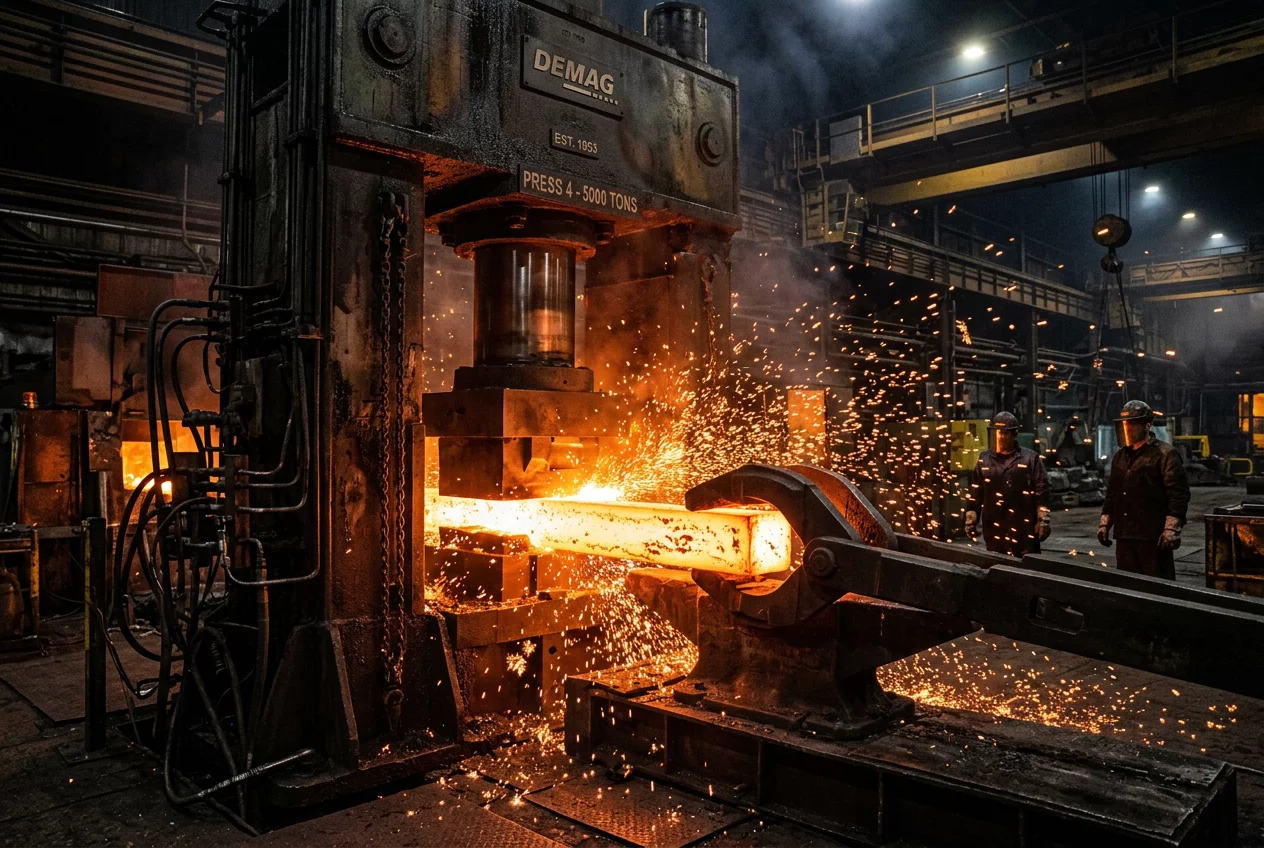
The industrial materials sector stands as the fundamental pillar of global economic stability and infrastructure development. As we navigate through 2026, the landscape of raw material procurement and processing is undergoing a significant transformation, driven by geopolitical shifts and the rapid integration of automated manufacturing technologies. It analysis indicates that while traditional steel production remains a dominant force, the demand for specialized alloys and high-performance polymers is reaching unprecedented levels.
Global Steel Manufacturing and Supply Dynamics
Steel production continues to serve as a primary indicator of industrial health. Current market data reveals a steady recovery in output, yet logistical constraints in key shipping corridors remain a variable that analysts observe closely. The shift towards 'green steel'—produced using hydrogen-based reduction instead of traditional coking coal—is no longer a niche concept but a mandatory transition for major players looking to hedge against carbon pricing risks and environmental regulations.
High-Performance Polymers and Advanced Composites
Beyond metals, the industrial sector is increasingly reliant on advanced chemical engineering. High-performance polymers are replacing traditional components in aerospace and automotive applications due to their superior strength-to-weight ratios. This transition represents a significant shift as manufacturers focus on more efficient, durable, and recyclable materials to meet long-term sustainability goals.
Predictive Volatility and Risk Factors
Volatility markers in the industrial materials market are currently influenced by several external factors. Fluctuations in energy prices directly impact smelting operations, while the availability of rare earth elements remains sensitive to trade policy changes. It is expected a period of consolidation as industries adapt to localized supply chains and increased reliance on circular economy models.
Industrial Sector FAQ
Energy costs, geopolitical trade barriers, and sudden shifts in global infrastructure spending are the core drivers affecting price stability and availability of raw resources.
While initial capital expenditures for green technology are high, the long-term cost of production is stabilized by reducing reliance on volatile fossil fuel markets and avoiding emerging carbon-related taxes.
Market Discussions
There are currently no professional insights shared for this sector. Be the first to provide a perspective on Industrial Materials.
Share Your Perspective