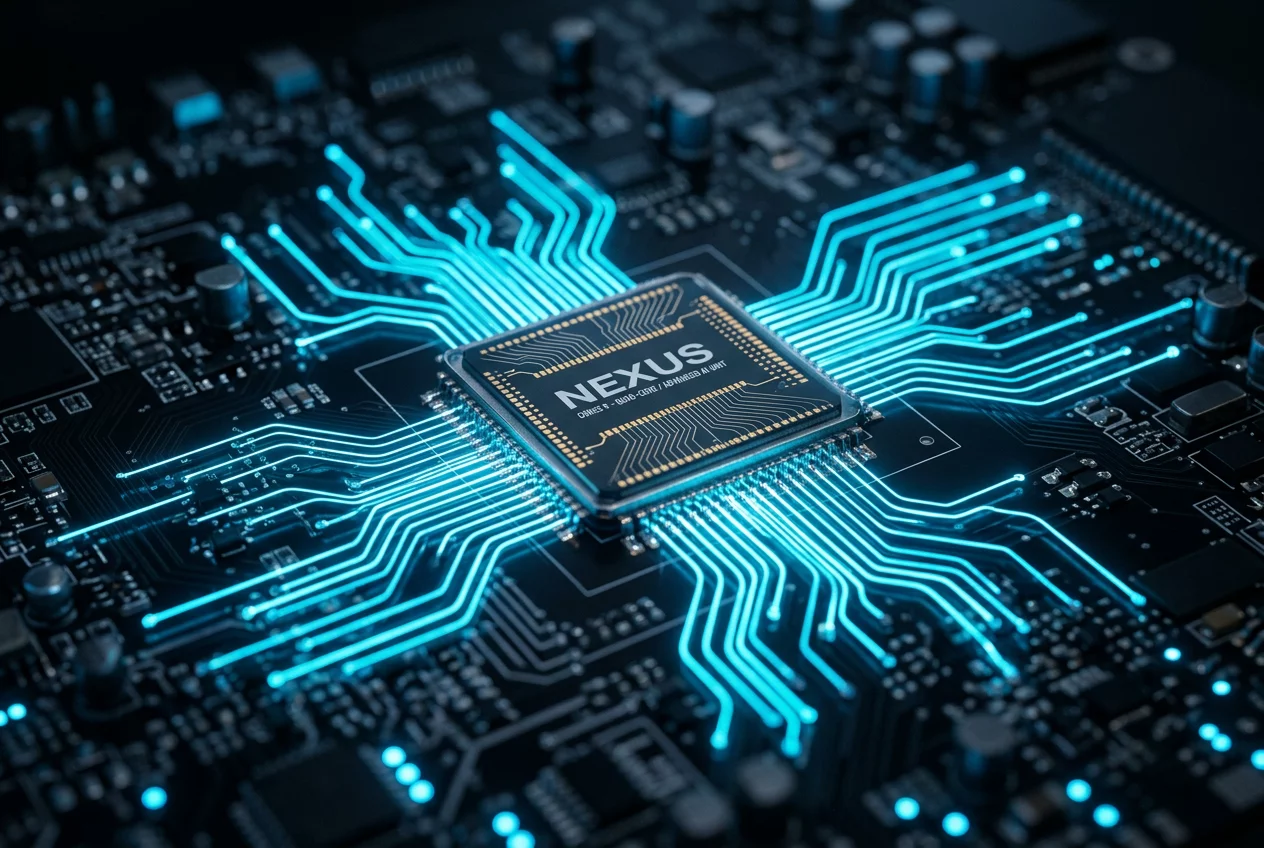
A Digital Transformation Engine
The technology sector continues to serve as the primary catalyst for global economic shifts. In the current landscape, we observe a pivot from generic software solutions toward specialized artificial intelligence and advanced semiconductor manufacturing. This evolution dictates not only market valuations but also geopolitical strategies. Our analysis focuses on the structural durability of these sub-sectors in an environment of fluctuating interest rates and supply chain complexities.
"Technological growth is no longer a luxury; it is the fundamental infrastructure of the modern financial ecosystem."
Semiconductors: The New Oil
Microchips have become the most critical asset in the technology value chain. From automotive components to large-scale data centers, the demand for silicon remains inelastic. However, the sector faces specific volatility markers. We examine the concentration of manufacturing capabilities and how shifts in regional policy impact the availability of high-end processing units. It is essential to recognize that while demand is surging, the capital expenditure required for new fabrication plants introduces long-term debt considerations.
Software and SaaS Resilience
The transition to cloud-based operations has stabilized revenue streams for many enterprises. Software-as-a-Service (SaaS) models provide a buffer against immediate market shocks due to recurring subscription bases. In our assessment, the focus has moved toward integration and automation. Companies that prioritize interoperability are positioned to capture larger market shares as organizations seek to streamline their digital stacks. We monitor these integration levels as key indicators of future performance.
Risk Factors and Volatility
Despite the growth, the technology sector is inherently prone to rapid valuation adjustments. High price-to-earnings ratios often characterize leading tech firms, making them sensitive to shifts in bond yields. Furthermore, regulatory scrutiny regarding data privacy and antitrust concerns adds a layer of non-market risk that investors must account for. Our methodology incorporates these legislative trends into our volatility index to provide a more holistic view of the landscape.
Sector FAQ
- How does inflation affect tech stocks? High inflation typically leads to higher interest rates, which can discount the value of future earnings, often impacting high-growth tech firms.
- What are the main growth drivers for 2026? AI implementation, the expansion of 5G infrastructure, and the massive upgrade cycles in hardware are the primary engines.
Market Discussions
Chris P.
Verified Institutional InvestorThe technology analysis is spot on. It captures the essential shift toward AI integration that we are seeing on the ground.
Nina S.
Portfolio StrategistVery comprehensive review. The section on SaaS resilience provided exactly the data points I needed for my Q3 allocation strategy.
Share Your Perspective